
Data understanding.
It’s the topic that just won’t go away. And for good reason. I can’t even count how many data discussions I’ve had over the years. I’m sure I’ve written about it, definitely talked about it (probably with many of you personally), and I know I’m not alone in this crusade. And guess what? We’ll probably talk about it again.

But it’s my long-term mission, my data-driven dream, to raise awareness about the importance of data understanding, especially among marketers.
One of my proudest moments?
When working at an ad agency (still love you, Triad!), during the weekly update a colleague said, “This week’s Facebook reach is two times higher than average,” instead of just, “This week’s campaign results were good.” That’s the kind of data literacy we need! I was so happy and proud!
You must be able to answer these three basic questions:
So, here’s your friendly reminder for today: If you work with data at any level (ad tech, marketing automation, CRM, you name it),
Where does the data come from?What data points are you using (and what do they mean)?What are the usual/expected thresholds (for both tracking and evaluation)?
You don’t need to be a technical expert.
You don’t need to know the difference between SFTP and SQL, or how JavaScript SDKs work. But you should know that your data comes from your data warehouse via a specific import, and that you’re adding more data points from your website.
Why?
Because without these basics, trouble’s brewing. You’ll be blaming data teams with problems which are vague or don’t even exist, making decisions based on garbage data (garbage in, garbage out!), or targeting the wrong audiences.
And no, AI won’t magically save you (yet). AI learns from past data—data that you should understand. AI might give you a result, but without basic data knowledge, how do you know it’s not just making things up? (That’s a whole other topic!)
If you rely on data, you have to understand the data.
Yes, a basic level is enough. But it’s essential. And in case you are keen to discuss, let me know and we at Asteroad are happy to join the conversation.
Read next
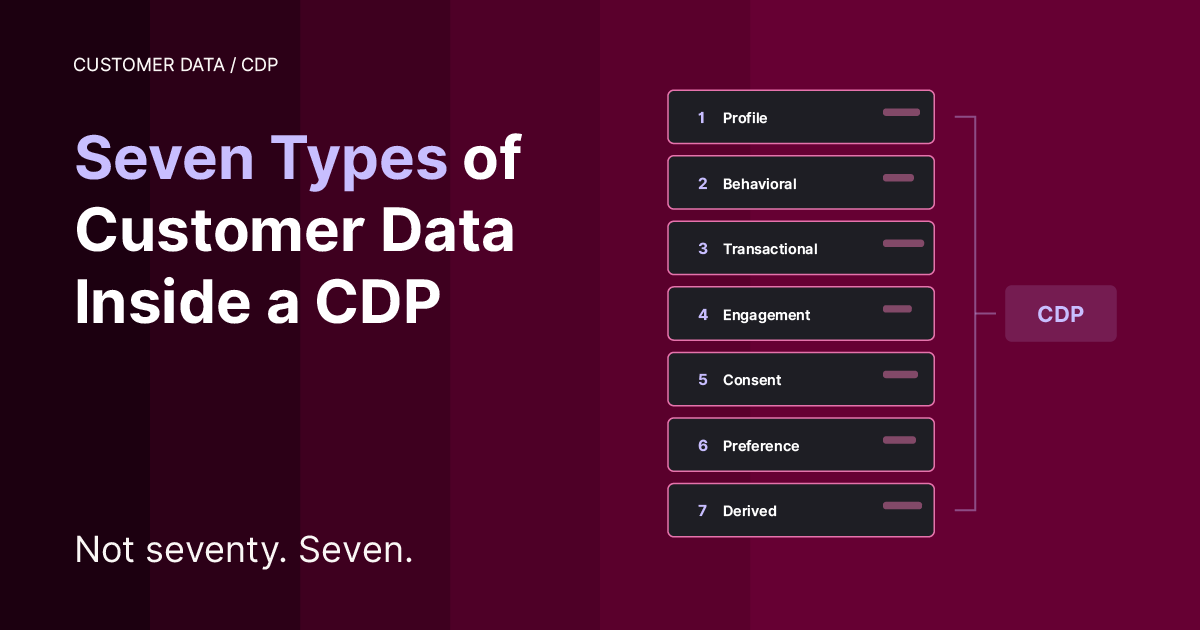
Seven Types of Customer Data Inside a CDP. What the data points are once you understand them.
Where Customer Data Comes From: Zero, First, Second, Third Party. Where each data type actually originates.
Data Sanity: Keeping Your Marketing Data in Check. Once you understand the data, keeping it clean is the next discipline.
Capturing GA4 Client ID in Bloomreach Marketing (Engagement). A concrete worked example of the three questions: where the data comes from, what the field means, what thresholds to expect.
WRITTEN BY

Radoslav Matuska
Co-Founder · Marketing Automation & CDP Consultant
Marketing automation and CDP consultant, in his third year at Asteroad leading daily CDP, weblayer, and marketing automation delivery. Former Exponea business consultant with 40+ implementations.

Put these ideas to work.
If an article names a problem you are dealing with, tell us. We will listen first, then tell you honestly what we would do. No pitch, no commitment.